- All
- CFD
- Heater Operations/Optimization
- New Fired Heaters/Revamps
- Xceed

October 19, 2025
How to Land a Job with an Engineering Degree
How to Land a Job with an Engineering Degree by Skylar Waters – Engineer in Training at XRG After long nights, lab reports, endless exams, and four (or more) years of studies, you’ve finally obtained the magic piece of paper. Now what? The quest begins not only for a job, but for the vibrant,

April 28, 2025
XRG and TotalEnergies Join Forces to Develop Solutions to Aid in Decarbonization Efforts in Fired Heaters

April 10, 2025
XRG Expands to Europe with New Office in Amsterdam
Amsterdam, Netherlands – April 15, 2025 – XRG Technologies, a leader in innovative heat transfer solutions, is expanding its global footprint by opening a new office in the Energy Transition Campus Amsterdam (ETCA). This is a significant step in XRG’s mission to provide sustainable energy solutions to refineries, petrochemical plants, and power facilities across Europe,

March 5, 2025
XRG to Supply Cutting-Edge Pyrolyzer Heater for University of Wyoming’s (UW) Pyrolysis Field Demonstration Project
TULSA, OK, and Gillette, WY, February 20, 2025 – XRG and the School of Energy Resources (SER) Center for Carbon Capture and Conversion (CCCC) at the University of Wyoming (UW) are proud to announce their collaboration on the Pyrolysis Field Demonstration Project, an innovative leap in the diversification of coal usage. XRG was selected to
January 22, 2025
Common Plenums: 5 reasons fired process heaters need them
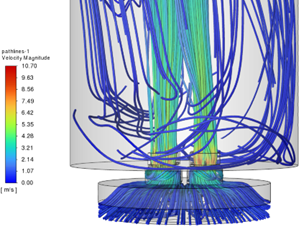
Make Common Plenums More Common! by Erwin Platvoet Fired heaters need air for the burners that supply heat to the process tubes. Air is supplied through individual burner plenums or a common plenum. Most burners come with an individual plenum which means each burner has an individual air supply duct (called plenum or windbox)

December 12, 2024
Eliminate Heater Draft Problems on the Fly
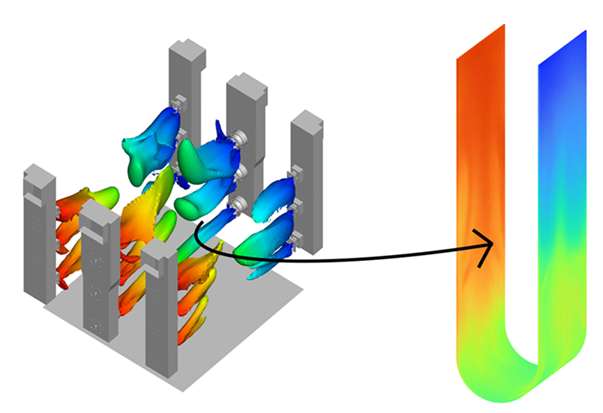
By Erwin Platvoet The Problem A refinery heater experienced substantial draft problems resulting in several instances with positive pressure at the arch with excursions of up to 0.25 inH2O (6.3 mmH2O). Adding a steam eductor to the stack is often the simplest solution to create additional draft. Its principle of operation is simple and straightforward:
October 24, 2024
Use Xceed™ to lower radiant coil temperatures in CCR Heaters
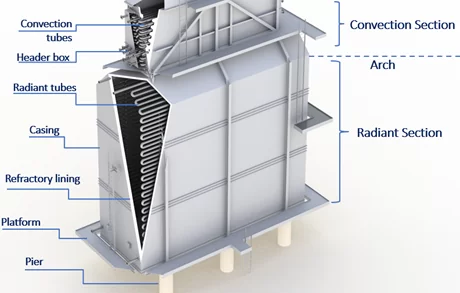
By KD Deshmukh, Senior Process Engineer Continuous Catalyst Regeneration (CCR) reformers convert naphtha feedstock into high-octane gasoline and aromatics. The catalytic reactor consists of multiple stages, and fired heaters are used before each stage to heat the process vapor to the required reaction temperature. Due to standard operating conditions, these heaters require specialized coil and
September 25, 2024
Fired Heater Design – Multidisciplinary Engineering Effort
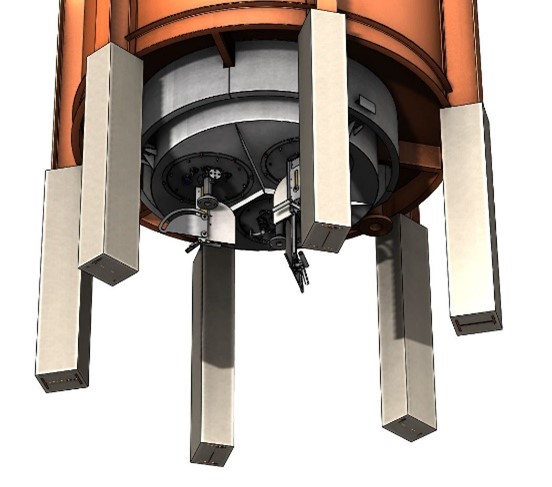
By Arindam Singha A fired heater is typically one of the most complex pieces of equipment in a refinery or petrochemical complex, and its design requires a multidisciplinary engineering approach. There are few examples of equipment that demand the combined knowledge and expertise of fluid dynamics, heat transfer, chemistry, metallurgy, reaction engineering, strength of materials,
August 12, 2024
Engineering Studies: How detailed analysis can guide difficult fired heater decisions
Engineering studies allow end users to develop ways to improve facility operations or help solve specific problems. They can also be used to help understand how custom equipment will perform in the field before installation and investment…

June 4, 2024
XRG Technologies and Nu:ionic Introduce Nu-X, an Electrified Heater Platform
XRG Technologies, LLC (“XRG”) and Nu:ionic Technologies (Canada), Inc. (“Nu:ionic”) announced a jointly-developed novel electrified furnace platform to be marketed under the Nu-X SM service name and the first commercial implementation of this technology in the Nu-X Smart ReformerSM…
March 27, 2024
Tips for Effective Project Management in Engineering: Brian Yuan, Senior Project Manager
Effective project management is crucial for the success of any engineering endeavor. From planning and scheduling to budgeting and resource allocation, engineering projects demand meticulous attention to detail and coordination among multidisciplinary teams…
February 19, 2024
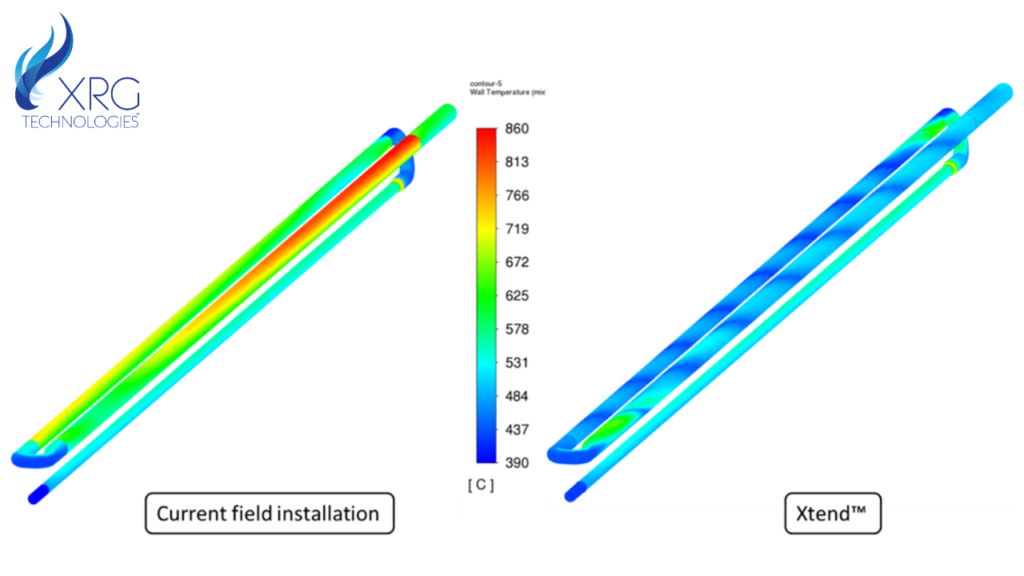
Solving a tube failure problem due to flow stratification using the Xtend™ tube insert
A vacuum heater located at a major oil refinery experienced tube failures at the top of the radiant section, and inspection showed a substantial layer of coke in the top half of the tubes at the point of failure…
January 9, 2024
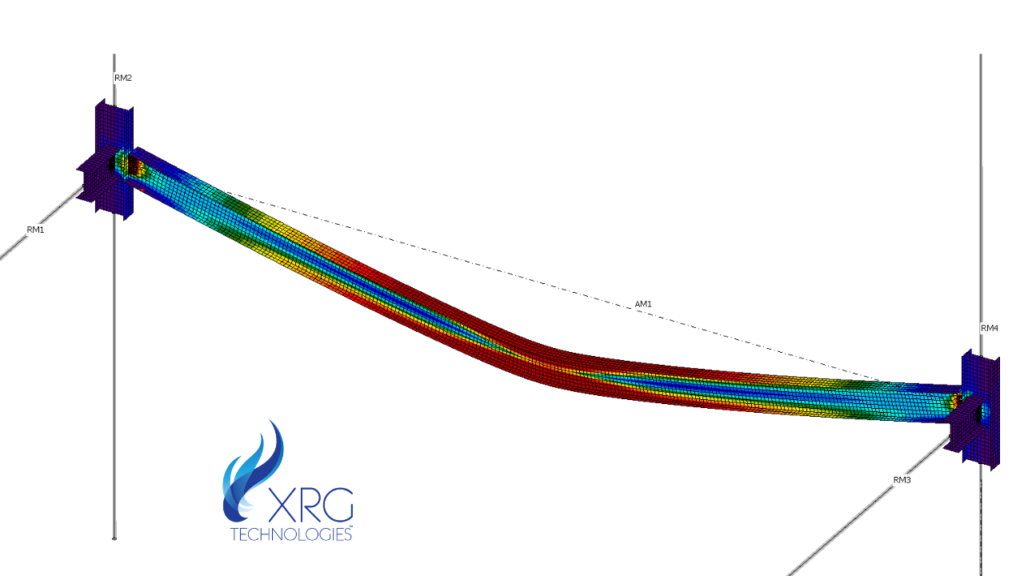
Plastic vs. Elastic Bending: When to Use the Extra Capacity
When you design a steel member for bending stresses, do you go straight to an elastic bending calculation without any further thought? Time to level up! Let me show you why you may be over designing your industrial structures, including fired heaters…

December 11, 2023
Advice to My Aspiring Engineer
If you had a time machine, what would you tell your younger self about becoming an engineer? I recently faced this query when my college-bound daughter decided to pursue an engineering degree. This exercise inspired a list of the top “dos and don’ts” for young engineers. While schools and employers help develop technical skills, it’s my honor to nurture the non-technical skills that separate good engineers from the great.

December 11, 2023
Mission Accomplished
Matthew Martin, XRG Technologies, details how the installation of a dispersed combustion system and explains how the technology can help refiners and petrochemical producers reduce emissions…

November 15, 2023
XRG Technologies and BayoTech Partner to Design and Build a Next Generation Reformer Furnace
XRG Technologies, a leader in fired equipment engineering and design, and BayoTech, a leader in hydrogen production, transportation, and storage solutions, announced a new partnership to design and build a proprietary high performance reforming furnace…
October 10, 2023
Hey Siri, optimize my fired heater performance!
The petrochemical and refining industries are facing unprecedented challenges to the current role of fired equipment in industrial processes. Political, social, legislative, and environmental factors are driving both economic and compliance pressures…
June 23, 2023
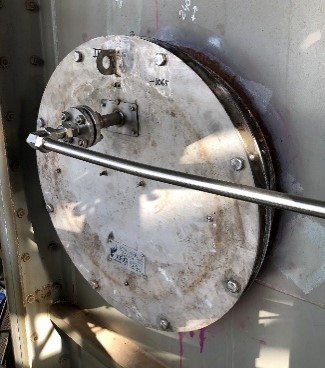
XRG’s Xceed™ Case Study – VPR Energy
XRG completed a multi-phase revamp project at Vitol’s VPR Energy refinery in Rotterdam, Netherlands. XRG and VPR worked together to transform the site and equipment into one of Europe’s best environmentally performing sites…
May 24, 2023
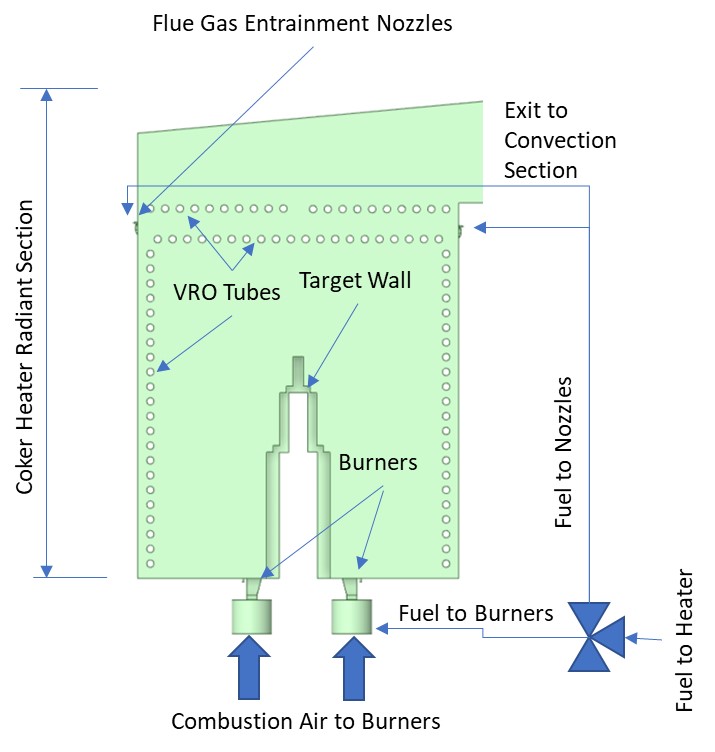
Simultaneous Run Length Improvement and Emissions Reduction in Delayed Coker Heaters
For many refineries, the delayed coker unit is a vital component of refinery profitability. The tubes used in delayed coker units foul and must be decoked periodically. The shutdown days used to decoke a heater remove it from service…
April 26, 2023
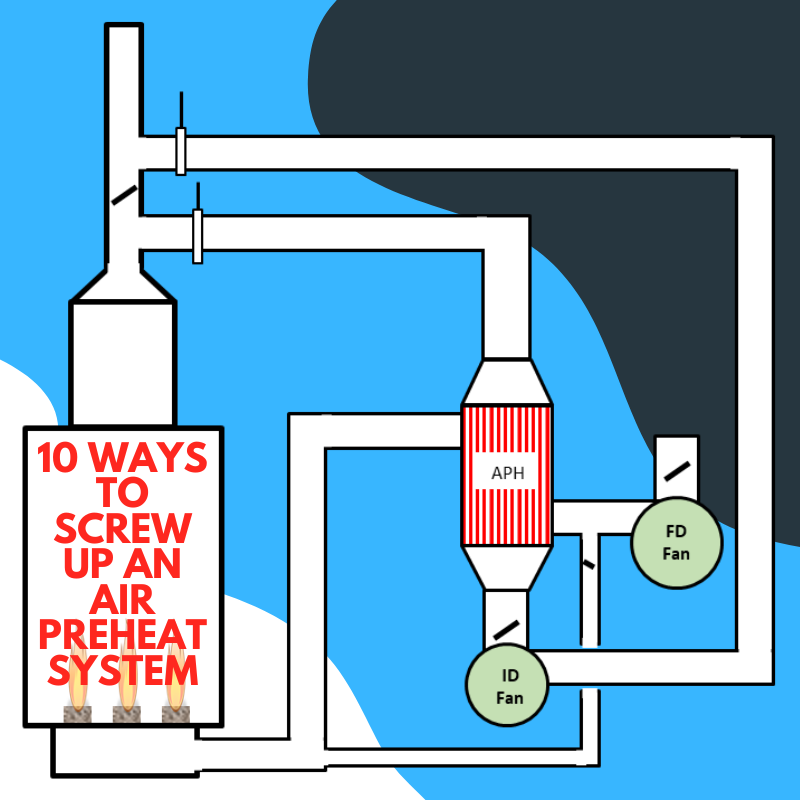
10 Ways to Screw Up Your APH Exchanger!
10 Ways to Screw Up Your APH Exchanger! Join us to learn the top ways to screw up your APH System. XRG’s Sr. Principle Engineer, Joe Tleimat covers topics from APH design flaws to operational issues…
March 20, 2023
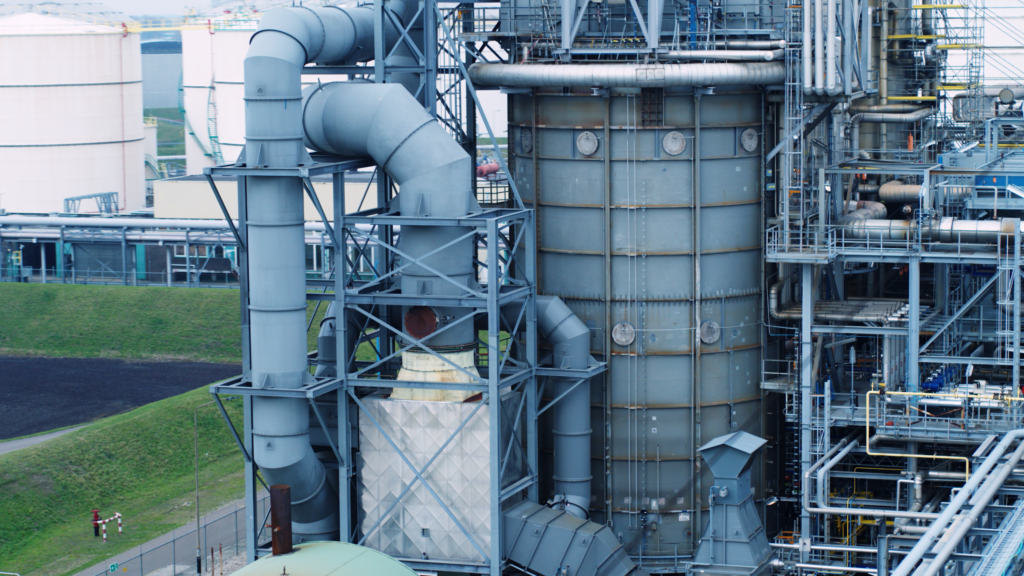
XRG Technologies and VPR Energy partner to reduce refinery emissions through new Xceed™ system
Tulsa, Oklahoma – XRG Technologies and VPR Energy deploy new technology to halve NOx emissions from a major European refinery and reduce greenhouse gas emissions in a world-first…

January 27, 2023
Increasing Draft from a Natural Draft Stack
Is your heater failing to generate enough draft? Here are few easy things to check! Tramp air flows into the heater through unintended openings, like sight doors, casing seams, and pressure relief doors. Tramp air increases flow through the convection box and stack…
December 16, 2022
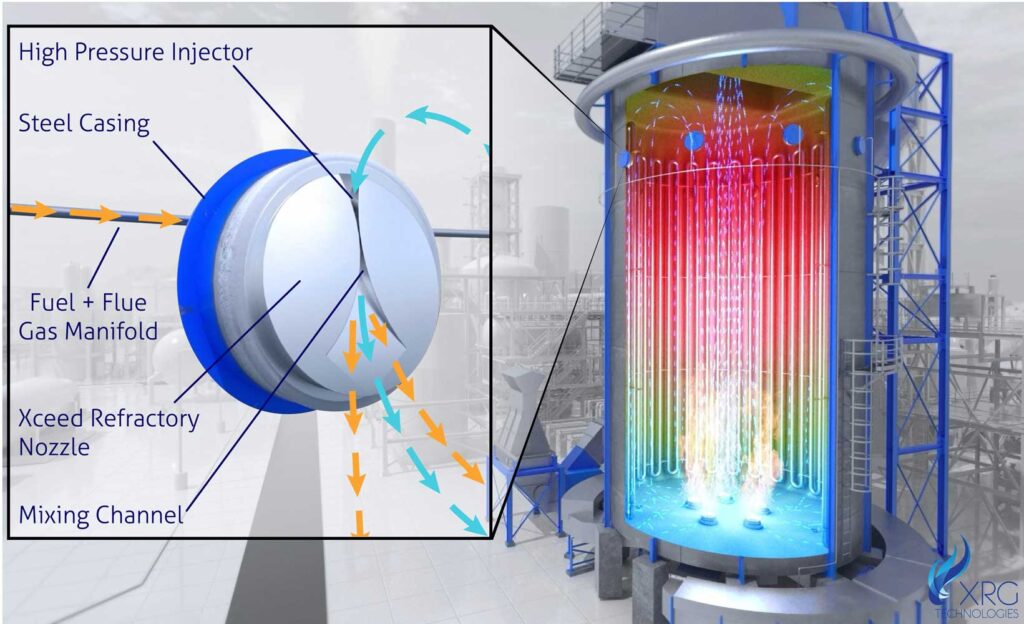
Xceed™ Technology Featured in Chemical Engineering
New hardware combined with monitoring technologies can help optimize combustion now and in the carbon-conscious future. Combustion has long been a delicate balancing act. Chemical processors want their combustion systems to be fuel efficient and available for use…
December 6, 2022
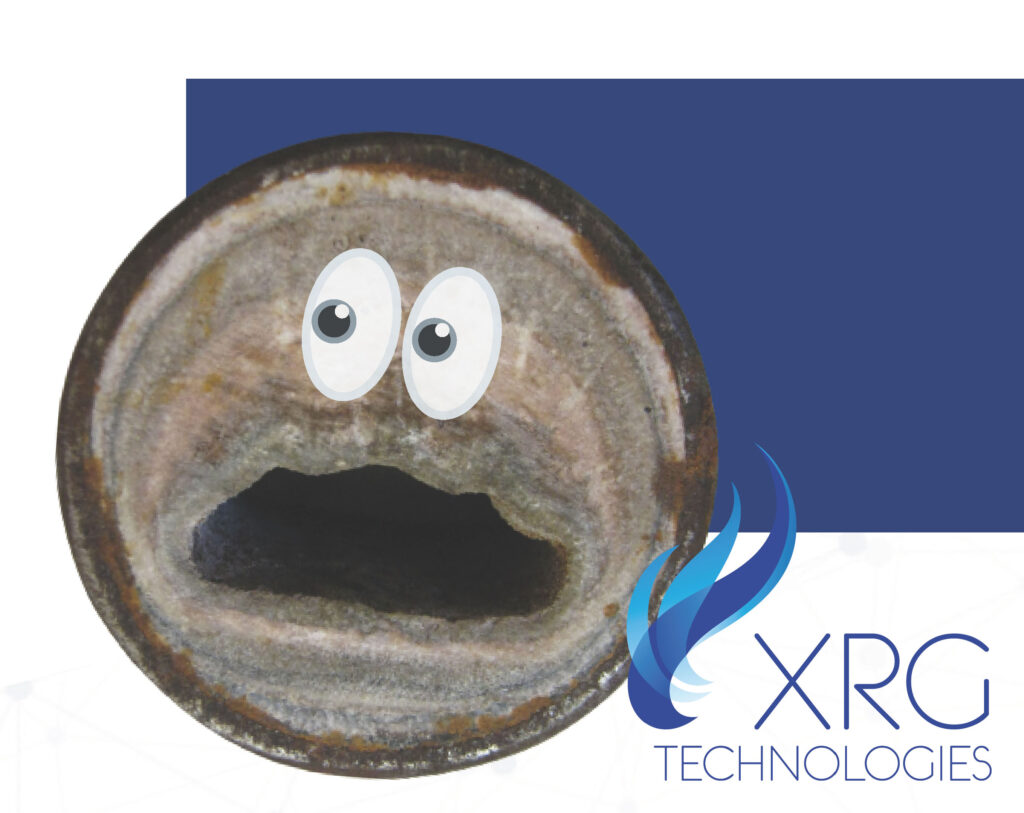
An Introduction to Fouling in Fired Heaters – Burner Fouling | Part 3
To keep a fired heater operating optimally it is important to distribute heat as evenly as possible. A maldistribution of heat will result in a poor absorbed heat flux profile and local hot spots. Elevated tube metal temperatures can accelerate fouling inside the tubes and reduce coil life…
October 12, 2022
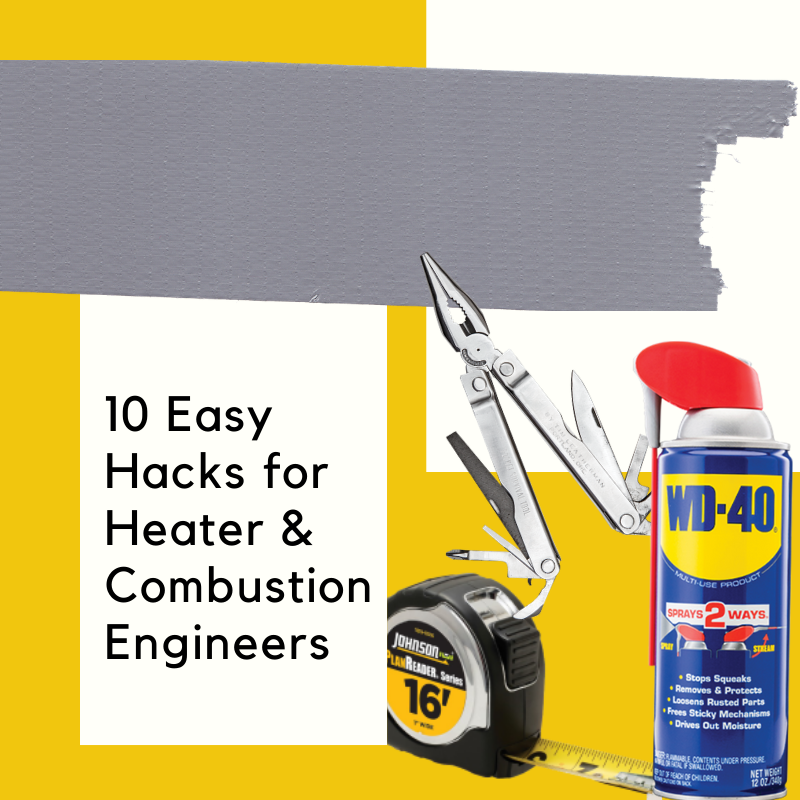
10 Easy Hacks for Heater & Combustion Engineers
Since you can’t run a heater simulation every time you’re out in the field, here are some easy hacks, rules of thumb, and formulas to help fired heater engineers in their daily routine, especially when it comes to estimating the effect of air and fuel changes…

October 4, 2022
XRG Receives ISO Certification
We are excited to share that XRG Technologies is certified to the ISO 9001:2015 standard — We are delighted to serve our customers through the well-defined and documented processes this certification requires…
August 29, 2022
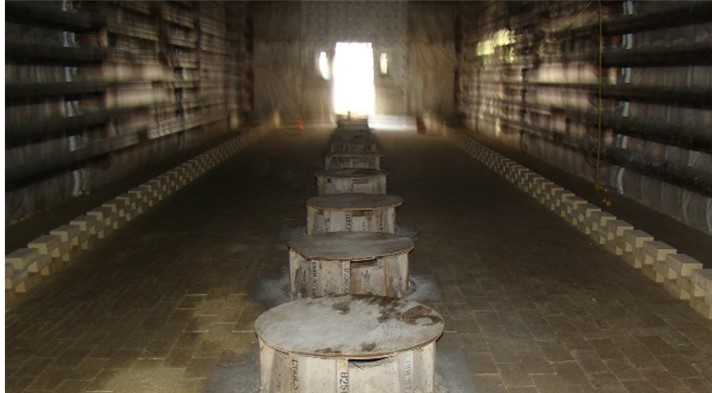
What is the brick wall on the heater floor used for?
Fired Heater Features – What’s That For?! There are four main reasons a brick wall (typically 3-5 bricks tall with some space between bricks) is installed on the floor between the burners and tubes: 1. At heater turndown operation…
July 18, 2022
A CALL FOR ACTION: unfire your heater for better performance
Oxides of nitrogen (NOx) are a harmful byproduct of high-temperature combustion used in refining and petrochemical heaters. Refiners and petrochemical producers have made large reductions in the amount of NOx emitted over the last 20 years…
June 20, 2022
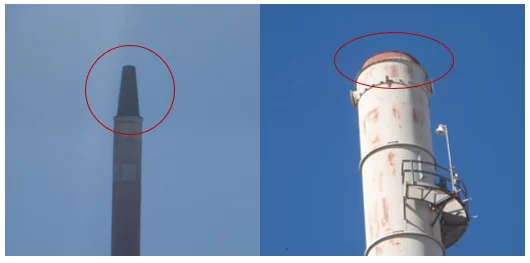
What is the cone on top of some heater stacks for? Fired Heater Features – What’s That For?!
The circled portions of the heater stacks are commonly referred to as velocity cones (or tips). A velocity cone is a cone-shaped stack extension added to some fired heaters to increase stack exit velocity. Here are three common reasons to increase the exit velocity…
May 17, 2022
Advice to My Aspiring Engineer
If you had a time machine, what would you tell your younger self about becoming an engineer? I recently faced this query when my college-bound daughter decided to pursue an engineering degree. This exercise inspired a list of the top “dos and don’ts” for young engineers…
![XRG is celebrating 5 years of service in the oil and gas industry. We are a fired equipment engineering firm specializing in the design and supply of new equipment and the optimization of existing heaters [...]. “XRG’s success is a true testament to the talents and expertise of the team we have brought together. I truly believe our combustion and heat transfer knowledge is unrivaled in our industry...](https://eadn-wc03-4396572.nxedge.io/wp-content/uploads/2022/04/XRG-Team-at-5th-Anniversary-1024x768.jpg)
April 5, 2022
XRG Celebrates 5th Anniversary!
XRG is celebrating 5 years of service in the oil and gas industry. We are a fired equipment engineering firm specializing in the design and supply of new equipment and the optimization of existing heaters […]. “XRG’s success is a true testament to the talents and expertise of the team we have brought together. I truly believe our combustion and heat transfer knowledge is unrivaled in our industry…”
March 8, 2022
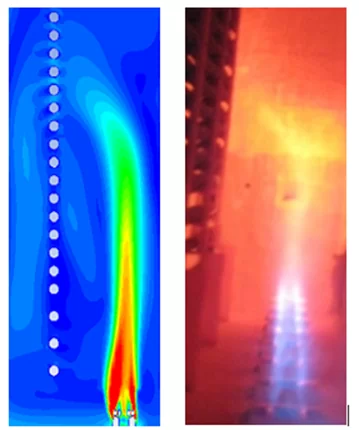
An Introduction to Fouling in Fired Heaters – Exterior Fouling
Exterior Fouling of Radiant Process Tubes. An important fouling mechanism on the fireside is corrosion fouling, especially for oil fired equipment. The bad actors are compounds of sulfur, vanadium, and sodium. In fired process heaters the main problem is hot fuel ash corrosion…
February 2, 2022
The Keys to Revamping Fired Heaters
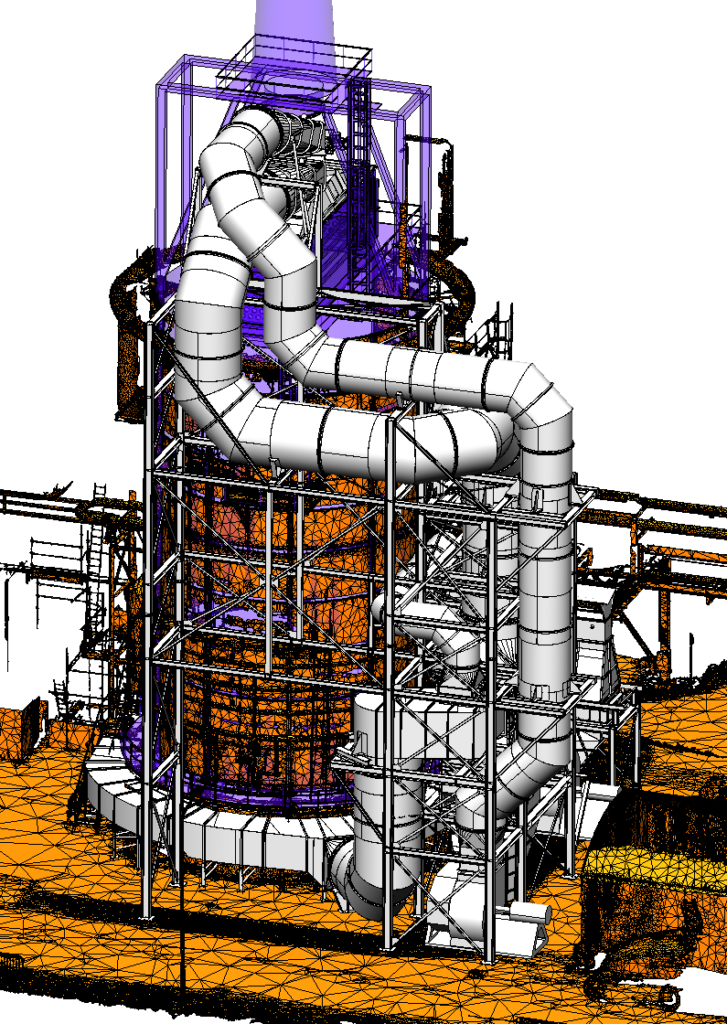
Fired heaters are facing scrutiny because they contribute to the global emissions of carbon dioxide (CO2) and nitrogen oxides (NOx). For refineries and petrochemical plants focused on reducing greenhouse gas emissions…
December 7, 2021
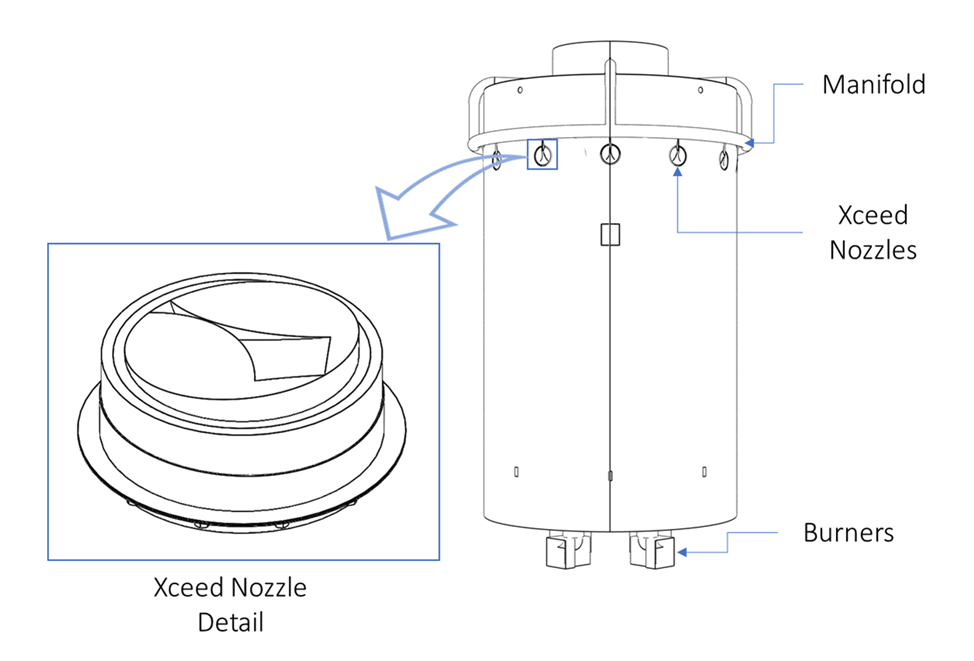
Xceed: Reducing CO2 and NOx while Increasing Efficiency from Fired Heaters
Fired heaters, also called furnaces, use the heat from combustion of hydrocarbons to increase the temperature of a fluid. Direct-fired heaters are common in refining and petrochemicals. In these heaters, flames produced by burners directly irradiate a series of tubes…
November 8, 2021
PODCAST: Smaller, Hotter, more Efficient – XRG Technologies
(Listen to our podcast with Joe Batir from Energy Transition Solutions at Oil and Gas Global Network (OGGN™)). Bailey Hendrix, Matt Martin, and Erwin Platvoet discuss reducing inefficiencies and emissions in fired equipment…
November 8, 2021
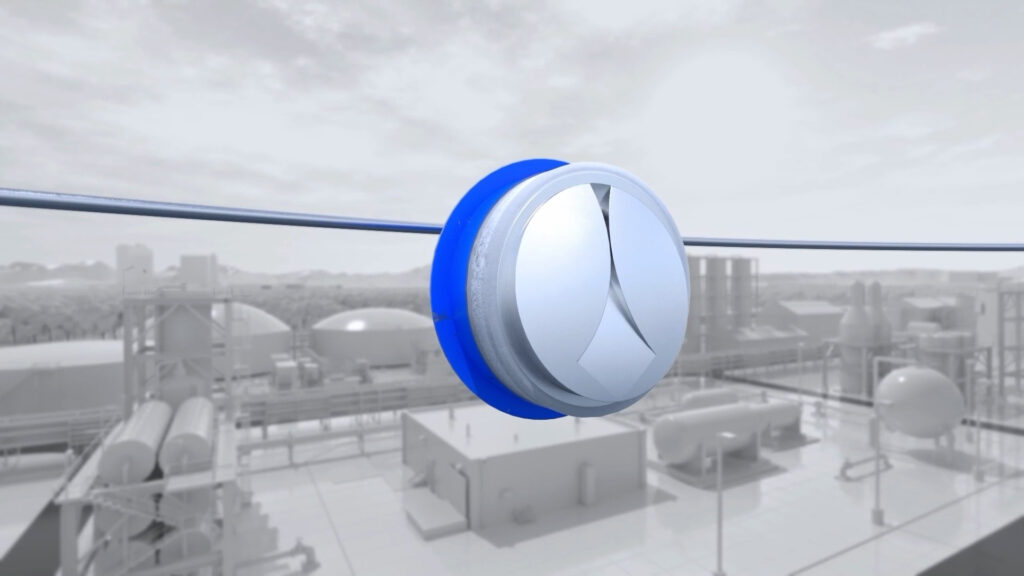
Introducing Xceed by XRG Technologies: Reducing Emissions from Fired Heaters and Increasing Capacity
Fired heaters in refineries and petrochemical plants emit millions of tons of CO2 & NOx every year. Lowering those emissions often causes flame quality issues which can reduce the coil life, run lengths, and capacity of your heater. Built on 30 years of research, XRG developed the Xceed system…
October 5, 2021
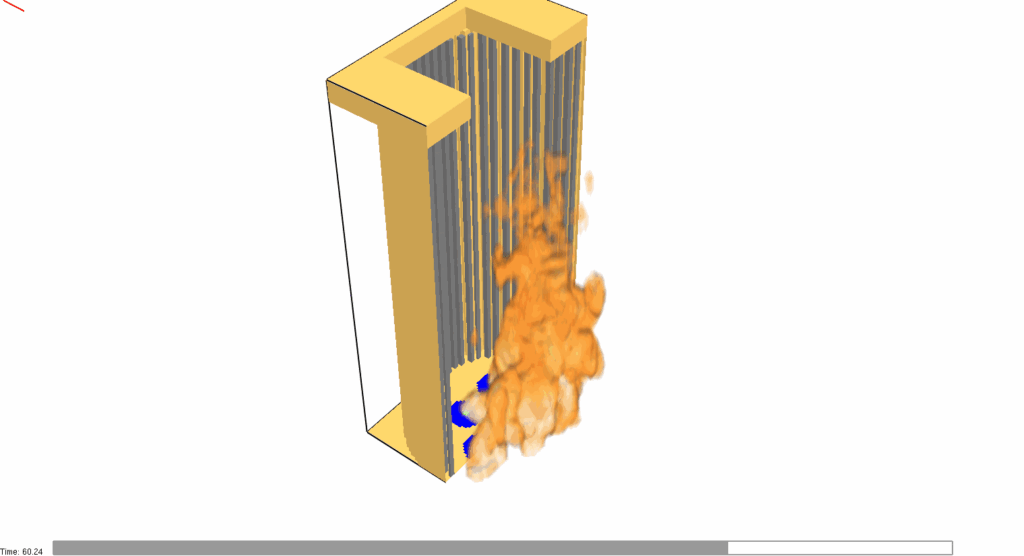
Solving Flame Issues in Fired Heaters: Now That We Have Solved All the Easy Problems…
I was working on a particularly problematic heater in 2001 that had been retrofitted with some of the most advanced low NOx burners of the time. Our previous installation made 6 PPM of NOx in the fielded application and the flames looked great…
October 5, 2021
Innovation: Implementing Cutting-Edge Technology Without Getting Cut
In our daily lives, we have become accustomed to the frequent introduction of new technology. Every year, cell phone companies roll out their newest offerings and people line up to replace…
October 5, 2021
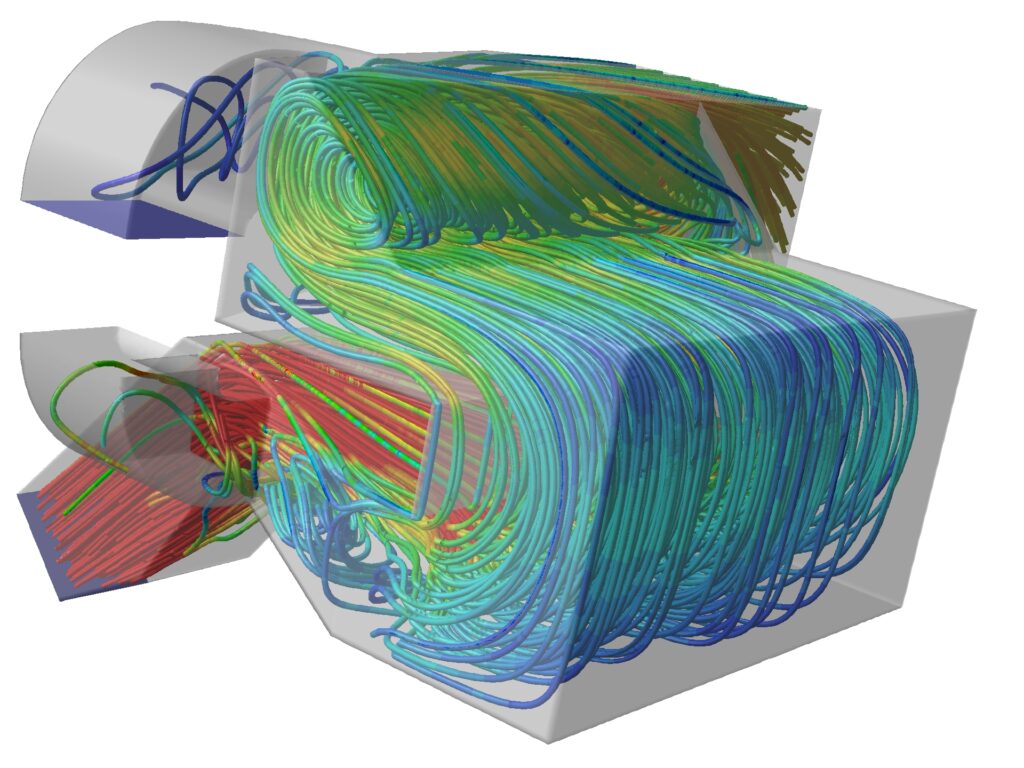
Follow this 1 Simple Trick to set your CFD Projects on a Path to SUCCESS
Computational Fluid Dynamics (CFD) has now become a critical part of fired heater evaluation, particularly for revamps. However, even though the use of CFD is now common, there is no industry standard procurement process or scope definition methodology…
October 5, 2021
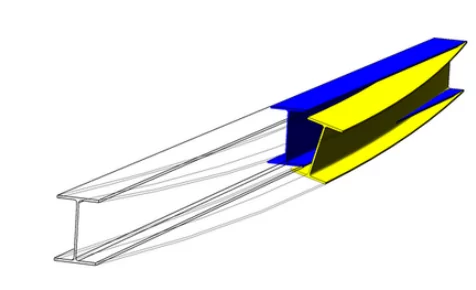
Lateral Torsional Buckling in Industrial Equipment
Structural Analysis Concepts for Beginner Mechanical Engineers – Part 1. Admittedly, this blog post will be geared toward a small audience. It’s for a recent (or maybe not so recent) graduate with a Mechanical Engineering degree who is designing the structural support…
October 5, 2021
Vibration Issues in Boilers & Furnaces
There’s a whole lotta shaking going on…. but why? A conversation with a long-time colleague at an industry trade show got me thinking about one of the most confounding problems that occur in boilers and furnaces: vibration. Our discussion revolved around the fact that systems today seemed much more prone to vibration problems…

October 5, 2021
Modeling Thermal Conductivity of Insulation in Excel with Arrays
HOW USING ARRAYS CAN JUSTIFY A RAISE – This is a tutorial for some of the newer Excel formulas that manipulate arrays, with heat transfer calculations as the chosen example instead of banana inventory and employee salaries. A large part of performing heat transfer calculations…
October 5, 2021
Bolted Flange Prying in Fired Heaters and Supporting Structures – Part 2
Structural Analysis Concepts for Beginner Mechanical Engineers – Part 2 This series of posts introduces concepts that are missing from undergraduate (Mechanical Engineering) curricula but are essential to the safe design of industrial equipment and supporting structures. The first part in the series concerned the beam failure mode of Lateral Torsional Buckling. The second

October 5, 2021
Model Based Definition: What is it and Why?
Model Based Definition (sometimes Drafting or Dimensioning or Design) is an iteration to mechanical design that uses a CAD generated 3D model with dimensions, GD&T information, annotations, and other design/fabrication information…
October 5, 2021
XRG Completes Turnkey Heater Efficiency Project
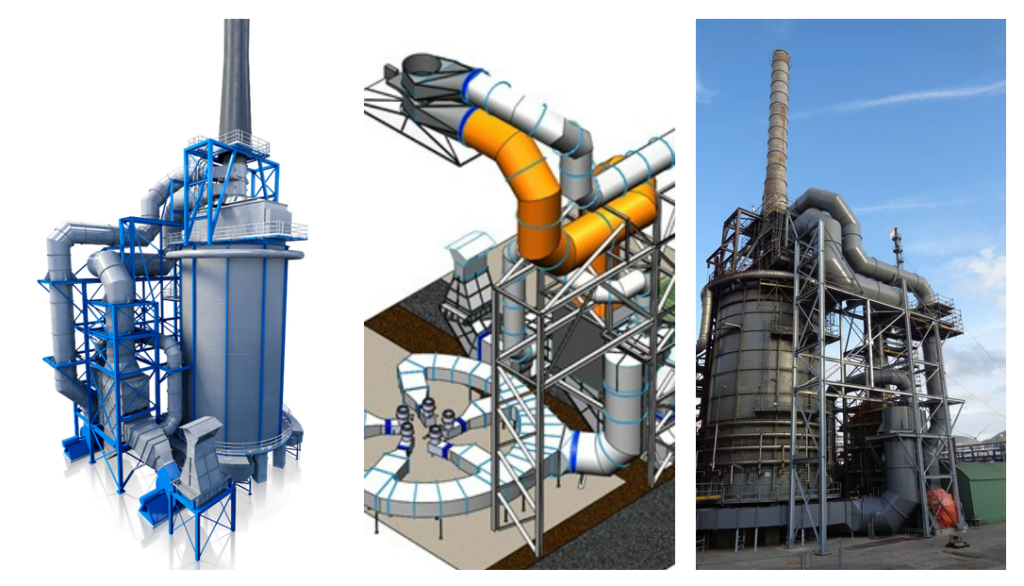
XRG Technologies recently completed the revamp of a large vertical cylinder (VC) crude heater, solving several operational problems while increasing efficiency from 78% to 91%. Utilizing CFD modeling, XRG discovered that the existing double circle burner layout was causing flame clouds…
September 29, 2021
What is a Fired Heater in a Refinery? For Dummies
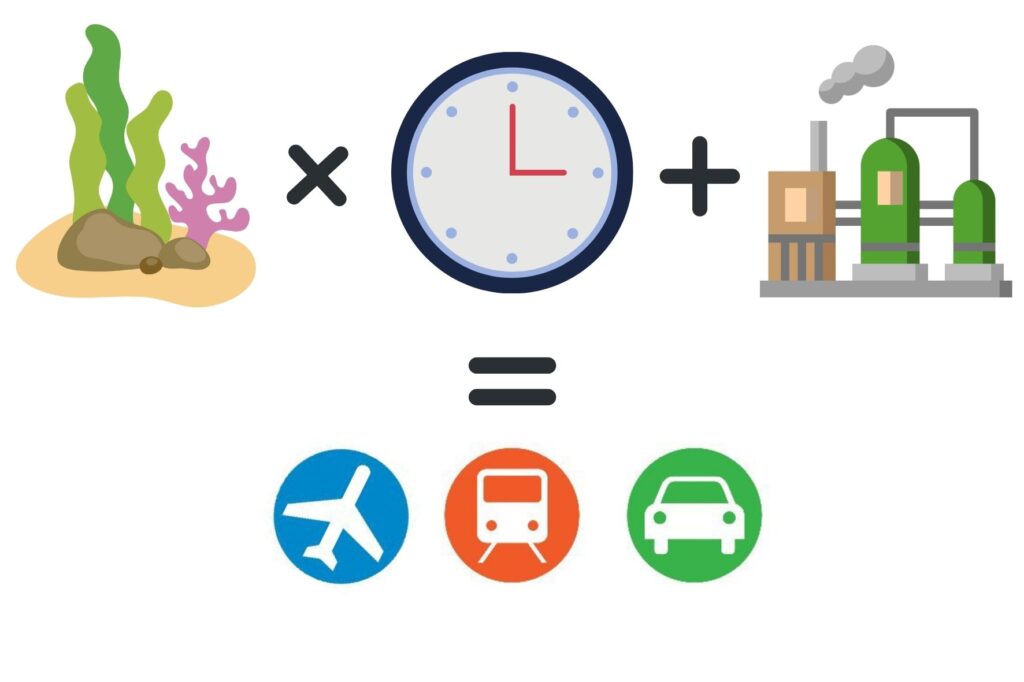
Did you know that ancient algae impact our lives to this day? Read on to learn how decomposed carbon-based life becomes petroleum products with the help of fired heaters! Oil comes from the remains of plankton and algae mixed with sediment on the ocean floor…
September 21, 2021
An Introduction to Fouling in Fired Heaters – Part 2 | Exterior Fouling
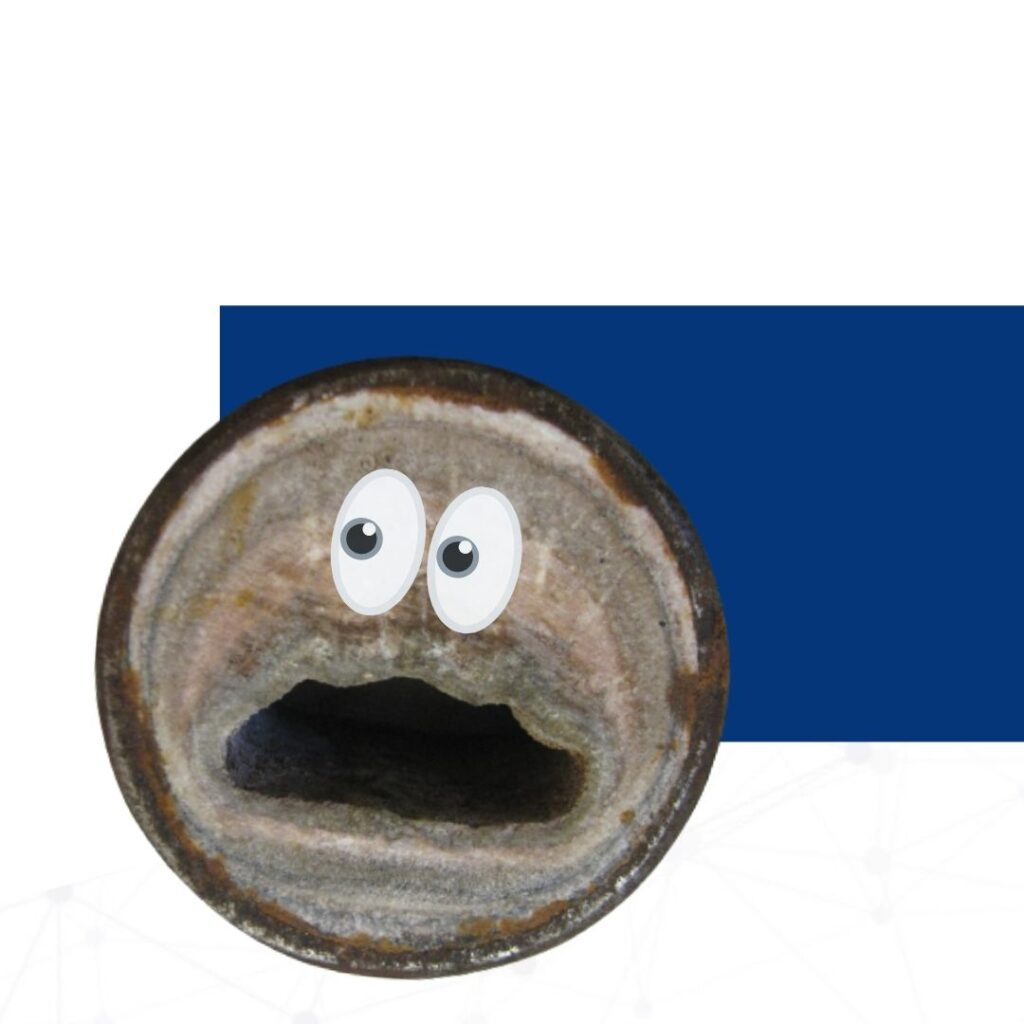
The main fouling mechanism on the fireside is corrosion fouling. According to the National Board of Boiler and Pressure Vessel Inspectors, all fossil fuels, with the possible exception of natural gas, contain constituents that promote corrosion on the fireside of boiler components…
September 15, 2021
An Introduction to Fouling in Fired Heaters – Part 1 | Interior Fouling of Heater Tubes
Fouling is the accumulation and formation of unwanted materials on the surfaces of processing equipment. It is an extremely complex phenomenon and considered the major unresolved problem in heat transfer (Bott, 1995). Fouling in refineries and petrochemical plants has an impact…
September 3, 2021
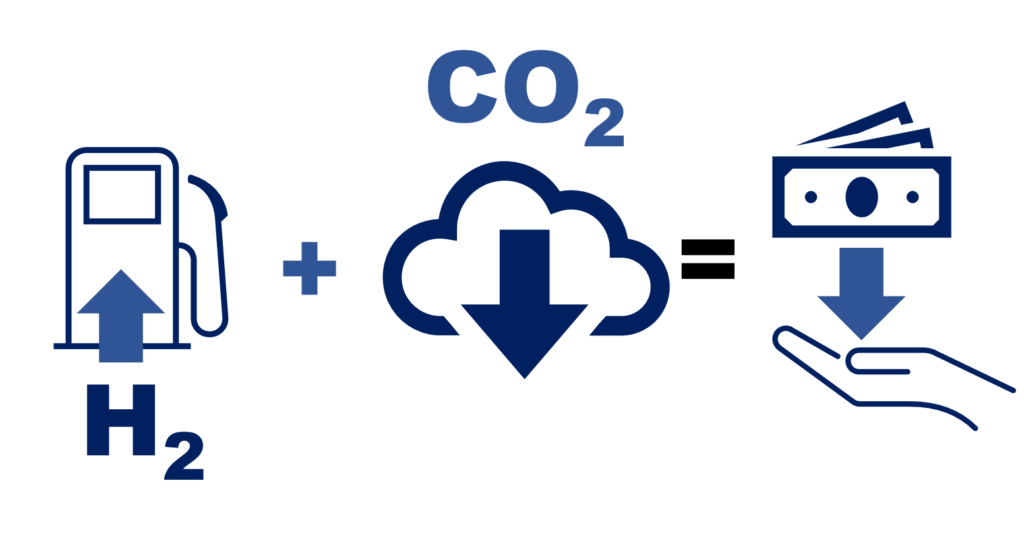
Reducing Carbon Dioxide Emissions from Fired Heaters
Fired heaters emit an estimated 400 to 500 million tons of carbon dioxide (CO2) every year. At least 73% of average refinery CO2 emissions come from combustion [1]. For refineries and petrochemical plants focused on reducing greenhouse gas emissions, it makes sense to target CO2 from fired heaters…
September 2, 2021
CFD: Power to the People!
Since 2016, ”democratization” has been the buzzword in the simulation industry and is projected to become the new reality. Meintjeis (2016) defined democratization as “making engineering simulation accessible and usable to a much wider audience in a way that supports…

July 21, 2021
Excess Air: When is Too Much Really Too Much?
Saving fuel makes perfect sense; if you use less you pay less. That applies to filling up your car, and it applies to fuel consumption in a process heater. How much money you save is easily calculated by multiplying the fuel savings by the fuel price per gallon. With combustion air it is not so clear…
July 21, 2021
CFD: When Good Models Go Bad
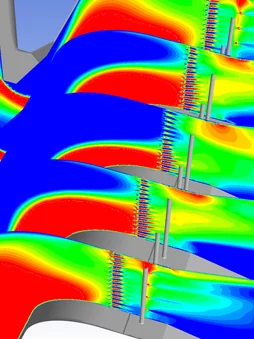
I was watching a video on YouTube where kids react to old computers. It was great to watch their astonished reactions to an ancient looking computer (the Apple IIe) that we considered advanced in the eighties. When the interviewer mentioned that today’s cell phones…



[email protected]
+1 918-201-2656
Find us on Facebook